
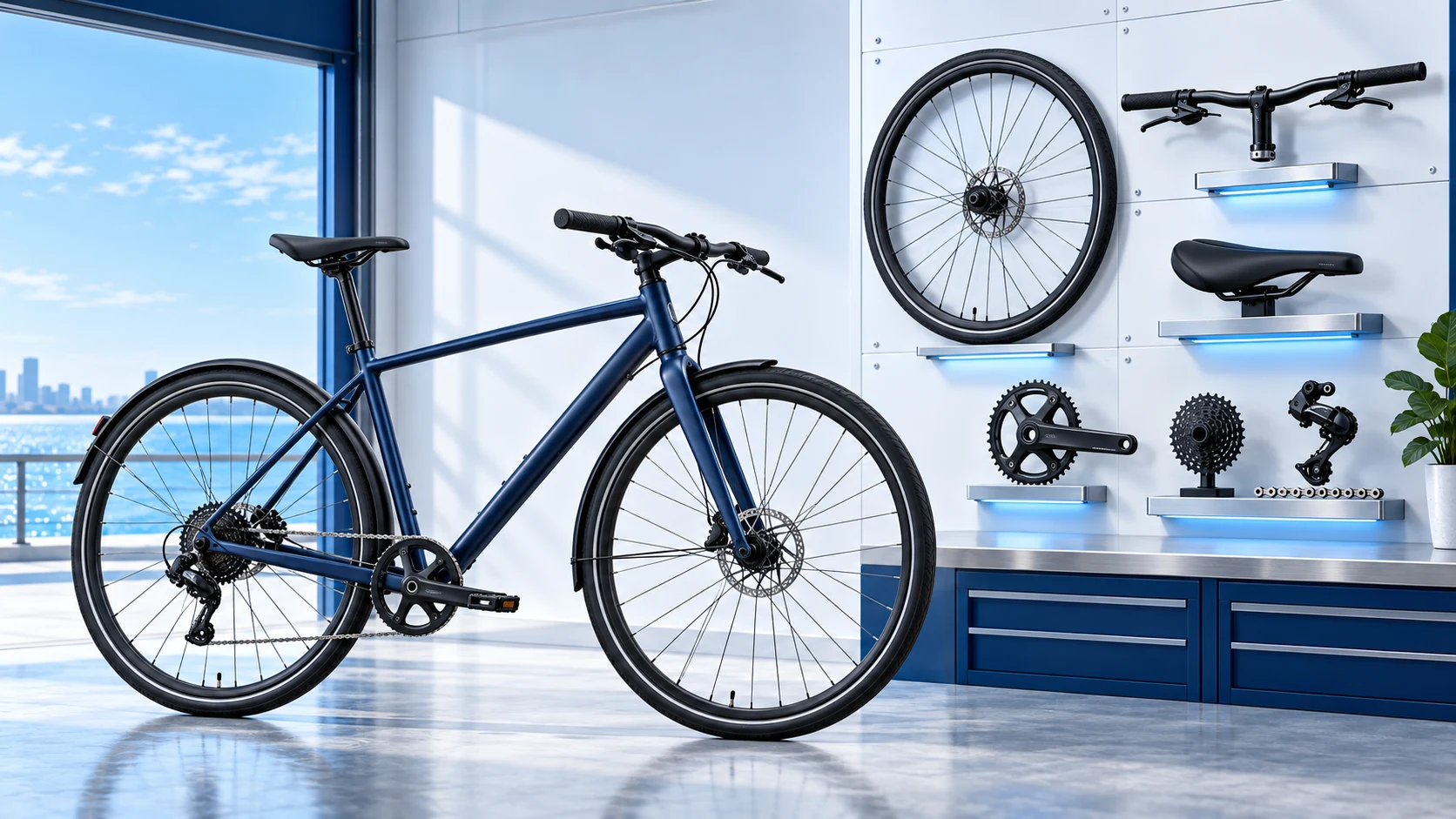
Anonymized operating case
Bicycle portfolio
An anonymized operating case derived from a real 38-slide product-line plan.
The company is not named. Nothing here is an implemented result.
Evidence inputs
| Input | Decision it informs |
|---|---|
| Sales, revenue, and profit history | Grow, simplify, or exit |
| Returns and after-sales issues | Product and supplier risk |
| Market size and price bands | Where to compete |
| Competitor launch roadmaps | When and how to enter |
| Product specifications | What to build |
| Seasonality | Test and inventory timing |
Market and portfolio map
Entry
Mainstream
Upper
Established demand
Crowded
Current core
Crowded
Adjacent need
—
Proposed gap
Proposed gap
Fragmented tail
Simplify
—
—
Product roles
| Product role | Customer / use case | Price position | Decision |
|---|---|---|---|
| Core line | Established demand | Mainstream | Protect and simplify |
| Extension | Adjacent need | Defined gap | Controlled test |
| Long tail | Low contribution or complexity | Fragmented | Reduce or exit |
Seasonal sequence
- TestProve the gap before a large commitment.
- RampBuild supply only after the test holds.
- PeakShip into the known seasonal window.
- ReviewKeep, cut, or redesign before the next cycle.
Decision the plan produces
This is the form of the decision. It is not a record that the decision was carried out.
- Focus the core line with established demand.
- Simplify the long tail.
- Test one adjacent gap.
- Time shipments to test, ramp, peak, and review.
- Solve supply and operating constraints before scaling the test.
Bring one product line
The portfolio stays anonymized. It is not a client result.